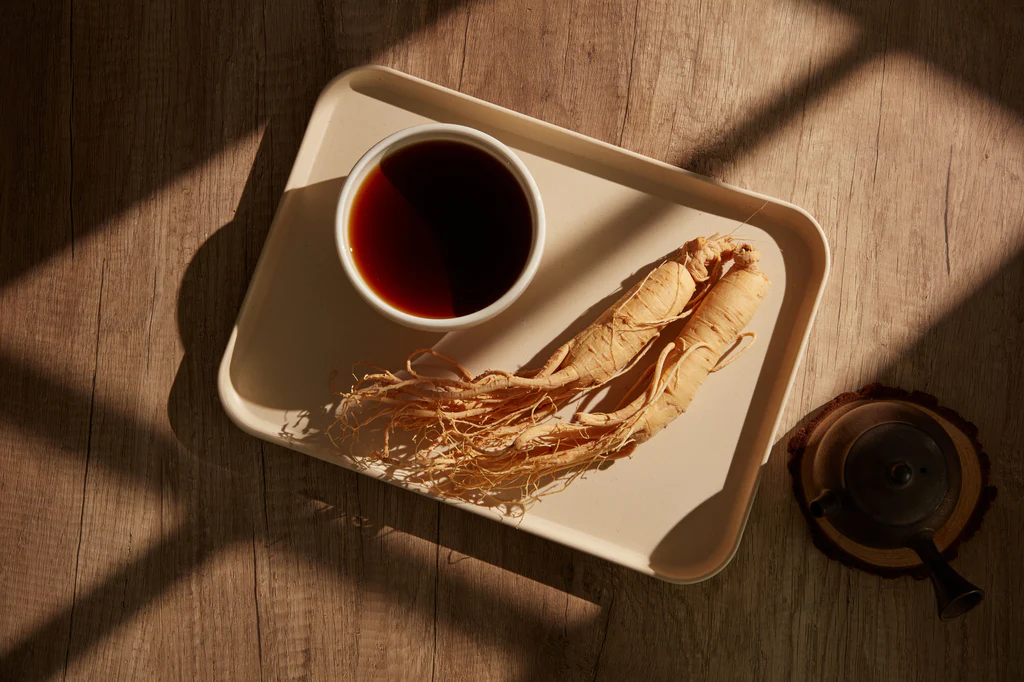
A Practice of Over Two Thousand Years
Traditional Chinese Medicine is often misunderstood in the West. For some, it conjures images of obscure ingredients and mystical rituals. For others, it sits somewhere between curiosity and skepticism, something to try when nothing else has worked. Both reactions miss the point.
At its core, Traditional Chinese Medicine is not a belief system. It is a clinical framework developed over centuries to observe patterns in the body over time. Long before health was segmented into organs and specialties, TCM approached the body as an integrated system. Sleep affects digestion. Digestion affects energy. Stress affects cycles. Cycles affect mood and immunity. The premise is simple: when systems fall out of balance, symptoms follow.
This way of thinking feels unexpectedly modern. Today, we talk about systems biology, the gut-brain axis, the role of chronic stress in inflammation, and the cumulative impact of lifestyle on long-term health. These ideas are not foreign to TCM. They are foundational. What differs is the language and the tools used to act on them.
In Western healthcare, many women experience care as episodic and fragmented. You see one specialist for skin, another for hormones, another for digestion. Each issue is treated in isolation, even when the lived experience is that everything feels connected. Traditional Chinese Medicine starts from the assumption that these connections matter. It looks for patterns across symptoms rather than chasing each one separately.
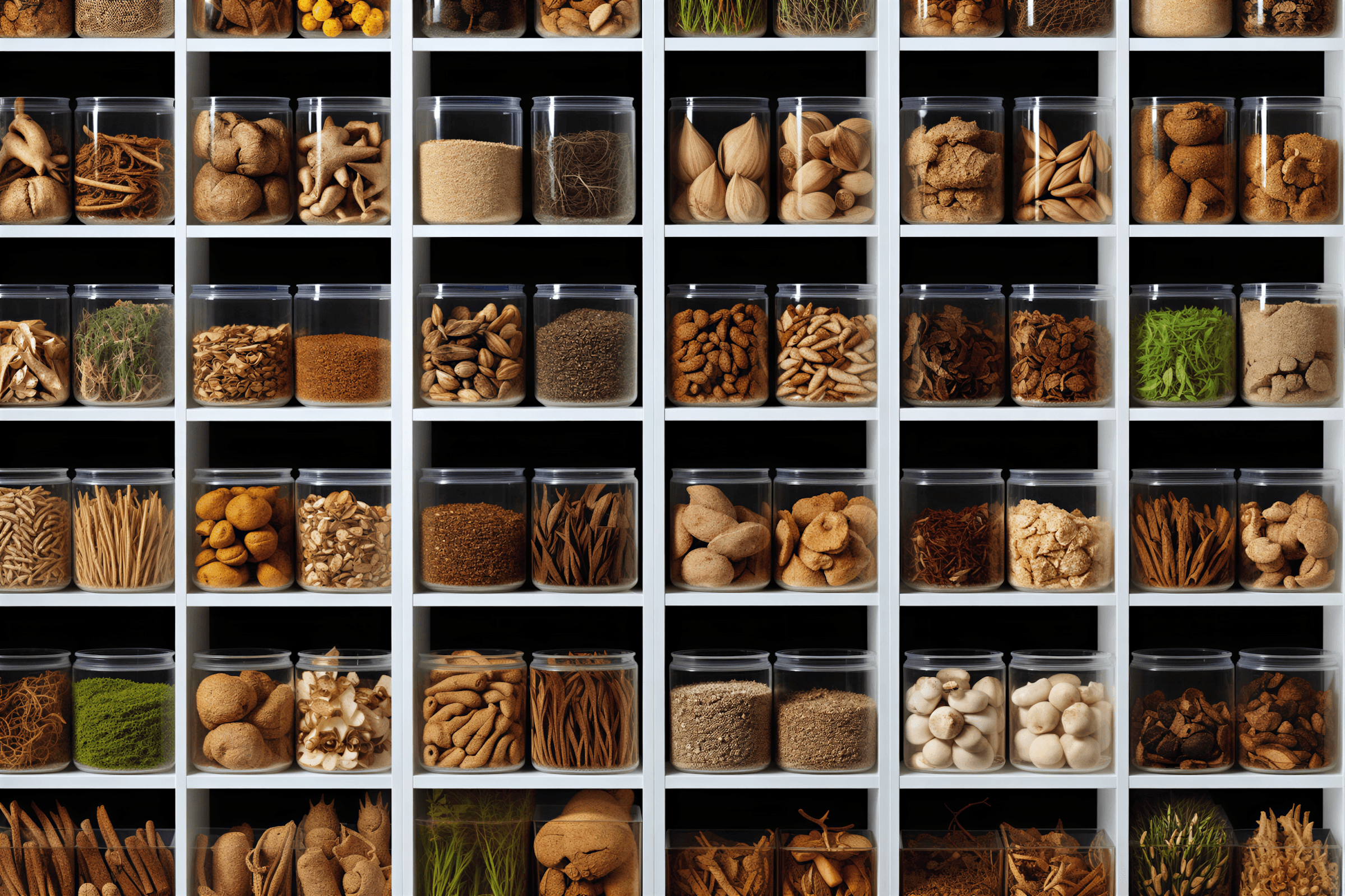
This does not mean TCM is anti-modern medicine. In China and across much of East Asia, TCM and Western medicine are practiced side by side within formal healthcare systems. The role of TCM is not to replace diagnostics, imaging, or acute intervention. It is to support longer-term balance, recovery, and resilience, particularly in areas where conventional care has limited tools for chronic, low-grade, multi-system issues.
The challenge in the West has never been whether TCM works for some people. It has been access, standardization, and delivery. Care is often informal, inconsistent, or detached from modern healthcare infrastructure. Quality varies. Integration is limited. For a system built around patterns and continuity, this fragmentation undermines its potential.
This is the context in which TCM is being reintroduced to a new generation. Not as a wellness trend or a spiritual practice, but as a clinical framework that can sit alongside modern healthcare when delivered with the same expectations around safety, practitioner standards, data privacy, and continuity of care. The question is no longer whether traditional systems have a place in modern life. It is whether we can build modern systems capable of delivering them properly.
For many women, the appeal of TCM is not ideological. It is practical. It offers a way to make sense of feeling “off” when nothing is technically wrong. It provides a language for patterns that unfold over months and years rather than days. And when practiced responsibly, it offers a form of care that is adaptive, personalised, and designed for the long term.
Traditional Chinese Medicine does not need to be mystified to be meaningful. It needs to be understood, modernized, and held to the same standards we expect from any form of healthcare.